Working towards gender equality and social justice
- Sinamangal Kathmandu, Nepal 44600
- didibahini01@gmail.com
- +977 985-1049100
24/7 Helpline
+977 985-1049100
didibahini01@gmail.com
Address
Sinamangal Kathmandu, Nepal 44600
Goldhunga DLRC
By Saru Duckworth, Fulbright Scholar
By Saru Duckworth, Fulbright Scholar
Didi Bahini’s Development Learning Resource Center (DLRC) model is a leading example of self-sustaining, women-led programs that provide vital community resources. For over 20 years, Didi Bahini has worked with the local government and community to support the Goldhunga local Women’s Forum and its programs including the DLRC in Tarakeshwar Municipality, Bagmati Province.
The Goldhunga DLRC is open six days a week and offers a variety of programs to the community. On average, 25-30 local children come daily after school for three hours of free educational instruction and developmental support, including homework help, arts and crafts, storybook reading, and dancing and singing instruction.
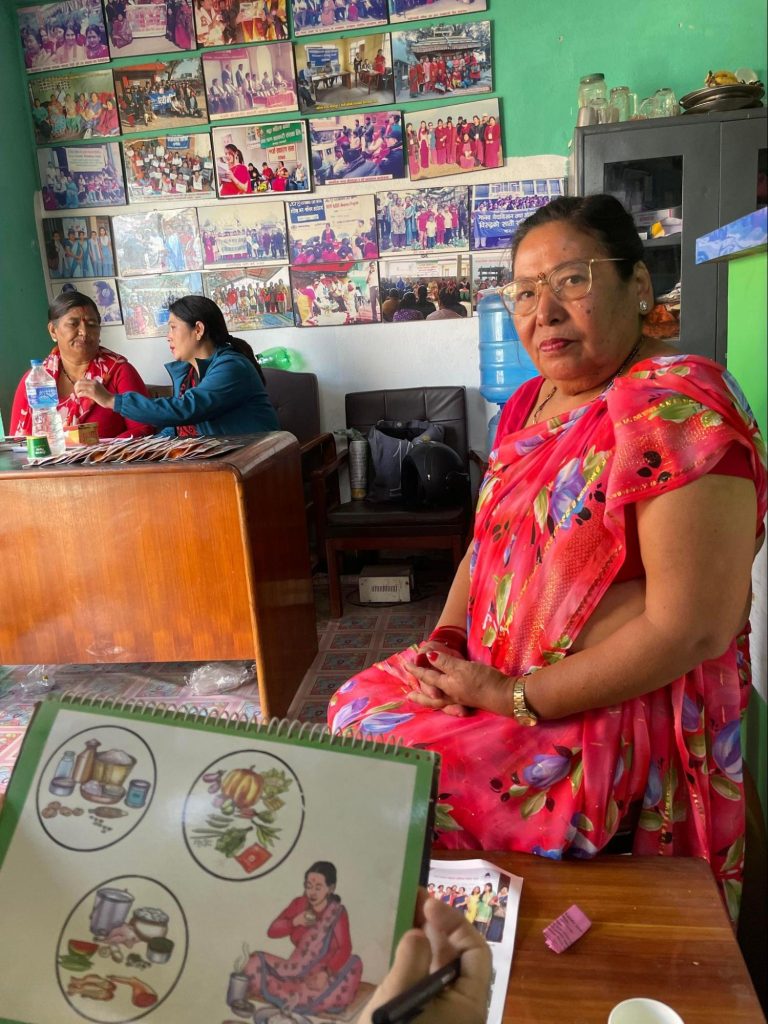
These programs are working to help decrease the prevalence in drug addiction among local youth by engaging them and raising awareness. Providing children a safe, educational after school environment also helps relieve the burden of childcare on working mothers who might otherwise not be able to earn a living and take care of their children. “Children who participate in DLRC programs did not have good manners and struggled to pay attention when they started coming. Now, there is a big improvement in their behavior, they are learning manners, and their homework is completed”, says DLRC President Ms. Kanti Bajracharya.
The Goldhunga DLRC has been successful thanks to a strong partnership with the local government and community. It has partnered government services since its founding days, when the primary awareness-raising strategy was advertising its after school educational programs in government schools. The center has done a good job of working closely with political parties and officials while still remaining a trusted apolitical community resource.
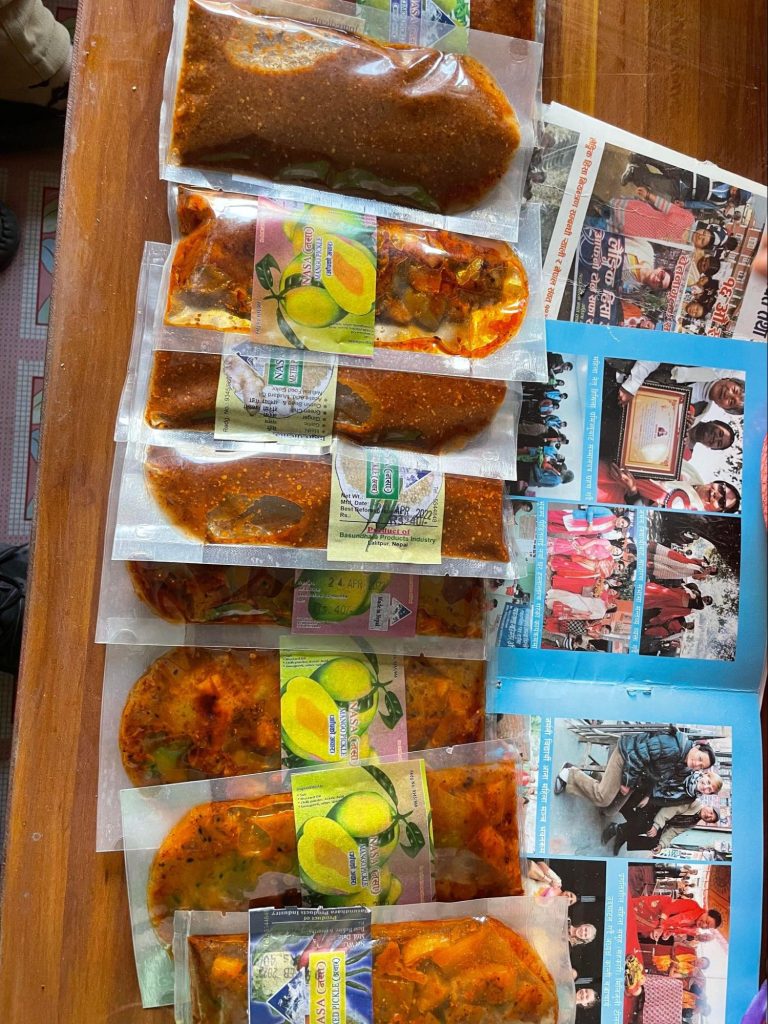
Much of this work has been led by DLRC President Ms. Kanti Bajracharya. She became engaged in Didi Bahini’s work after participating in a political empowerment training, where she learned about models of community development for women. She helped to found the local Women’s Forum with initially only seven women, each of whom began saving NPR 100 per month or less depending on income to develop community programs. In just 2 years, they expanded programming from one local ward to all nine wards, and grew membership to over 49 women, raising total NPR 2 lakh. However, they realized that to make these programs sustainable they would need to invest money in a reliable resource – and what better investment than the entrepreneurial spirit of local women. The group began giving small business loans to community women, with their first ever creditor being Ms. Mandira Devi Shrestha. She borrowed NPR 10k to buy chickens, and was able to quickly expand her business into a sustainable livelihood. The second loan was given to Ms. Indira Kumari to open a small Newari restaurant. Both women are now Women’s Forum members with successful businesses, and through becoming economically empowered, Ms. Kumari has even been motivated to run for local government office.
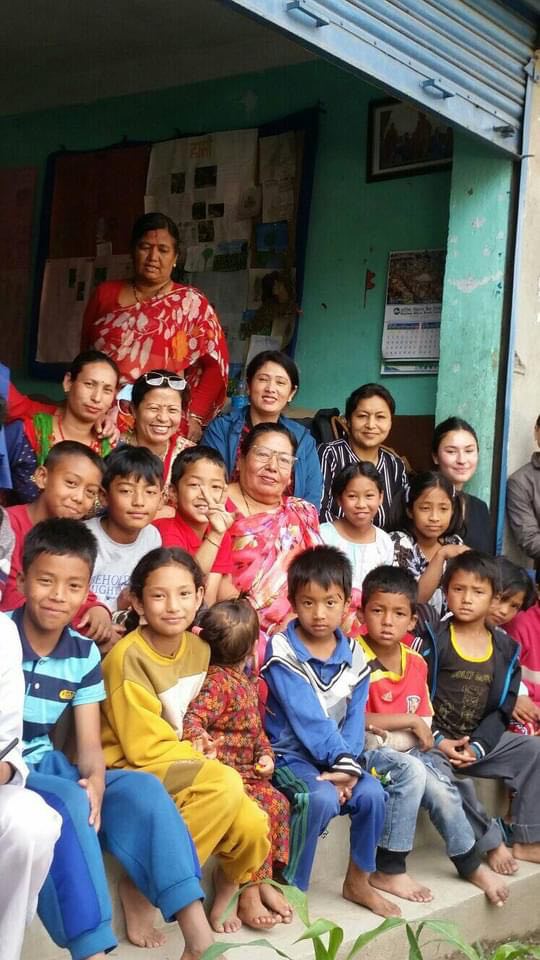
At the time of founding, no Women’s Forum members had political influence. They had no land to host programs on, and would often use local public spaces or government office gardens, however this was uncomfortable and did not provide privacy to conduct sensitive trainings for women. Working jointly with the government, the Women’s Forum leaders submitted a successful proposal to receive their own land where they could host programs sustainably. As positive momentum grew around their work and others in the government took notice, former Minister of Land Ms. Hisila Yami and the government Development Office supported them with NPR 6 lakh to construct a community center on the land. Local women were heavily involved in the construction, and today only women perform maintenance for plumbing or other issues on the DLRC building.
The Women’s Forum leaders have been heavily involved in shaping local policy in ways that support women. At the time of founding, there were no roads in Goldhunga. The lack of infrastructure was very detrimental to the local economy and families, causing them to take long and difficult journeys away from home regularly to earn money. The Forum was able to campaign successfully for the government to recognize people living in the area and eventually support the construction of roads. They were also successful in lobbying the government for a shared emergency fund to support the community in crises.
DLRC leaders are now facing several challenges, including concerns about possible corruption when the upcoming change in leadership between the current President takes place, since she is approaching her term limit. There are also many competing demands on the time of the Women’s Forum members, so there is a need for members who can take individual ownership of programs and act as a chairperson in order for them to be more consistent and successful. All members including the President are still volunteers and unable to take salaries, which also presents a challenge for sustainability.
In the future, the Goldhunga DLRC hopes to develop expanded programming for senior citizens in the community who are coping with isolation, depression, and other issues. There are also plans to expand the provision of study loans to students hoping to attend college in the country and abroad, particularly those studying in vocations like medicine that can help strengthen the community in the future.